
Learn to break it.
Then defend it.
In-depth tutorials and analysis on pentesting, OSINT, red teaming and the tools that matter — written by practitioners.
Scroll for the latest researchFeatured
Editor's pick of the week

Using Wordlists for Brute Force Attack in Kali Linux
A wordlist attack succeeds exactly when a password was predictable. Here is how they are chosen, built with crunch, and run through John and hashcat in a lab you own — and what each result tells you about defending against them.
Latest Articles
Fresh insights from our contributors
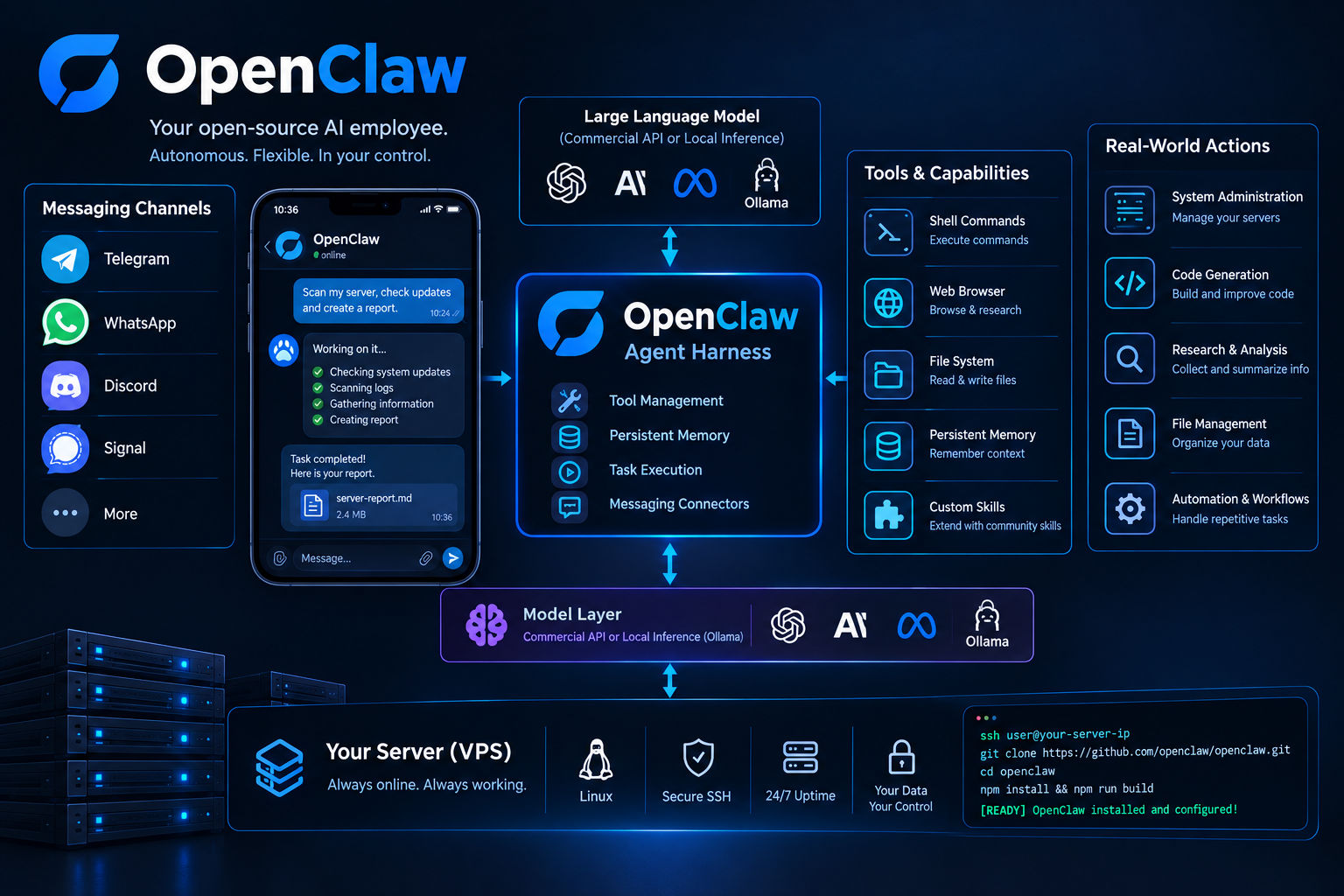
How to Build Your Own AI Employee Using OpenClaw
Build an open-source AI agent using OpenClaw on a VPS to automate tasks, connect messaging apps, execute shell commands, and manage daily workflows 24/7.
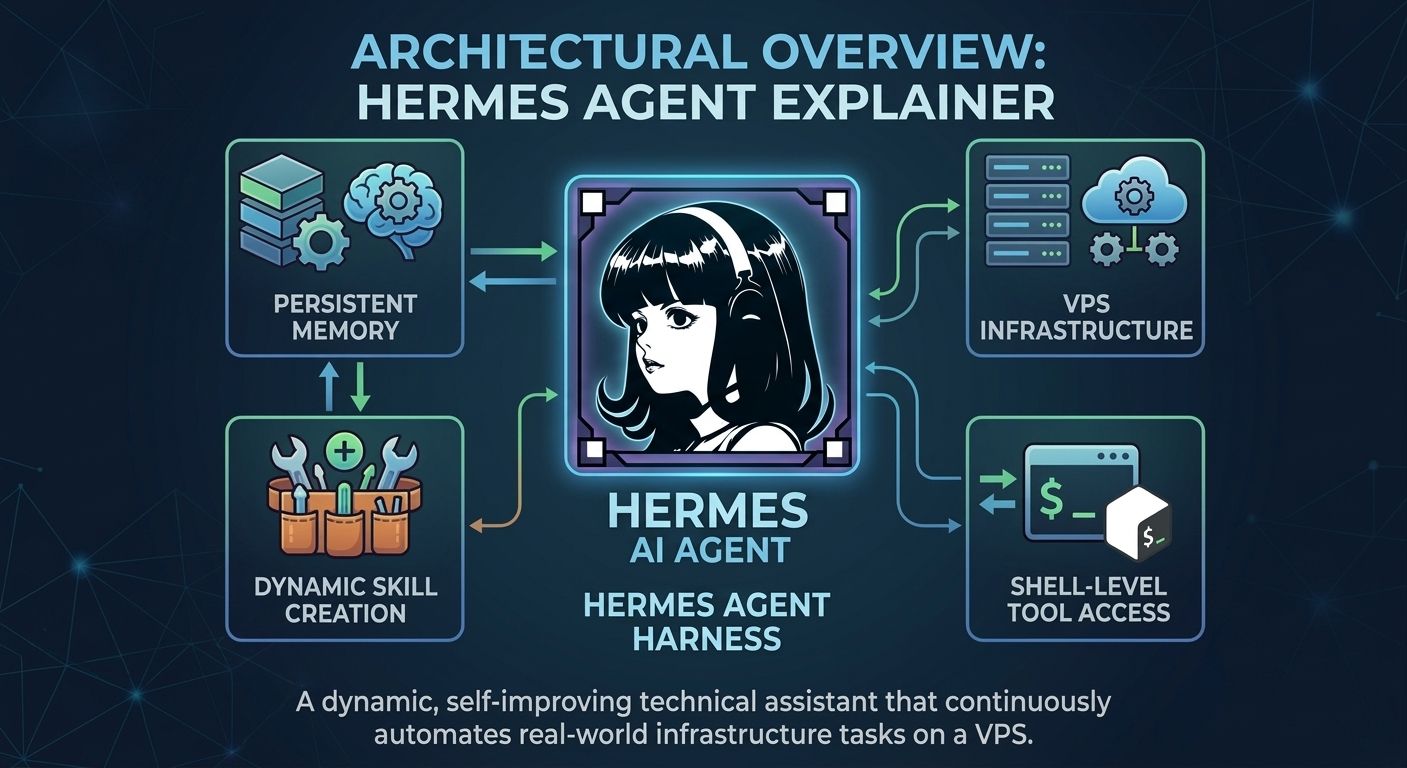
How to Build an Autonomous AI Assistant
Hermes is an open-source agent harness transforming static language models into self-improving technical assistants that automate infrastructure tasks.

Why Use Kubernetes? A Quick 5-Minute Guide
Kubernetes automates the deployment, scaling, and management of containerized applications, ensuring they run efficiently across server clusters.

What is Docker and how does it work ?
Docker solves deployment issues by packaging applications and dependencies into lightweight, isolated environments. This eliminates inconsistencies and speeds up modern software development.